

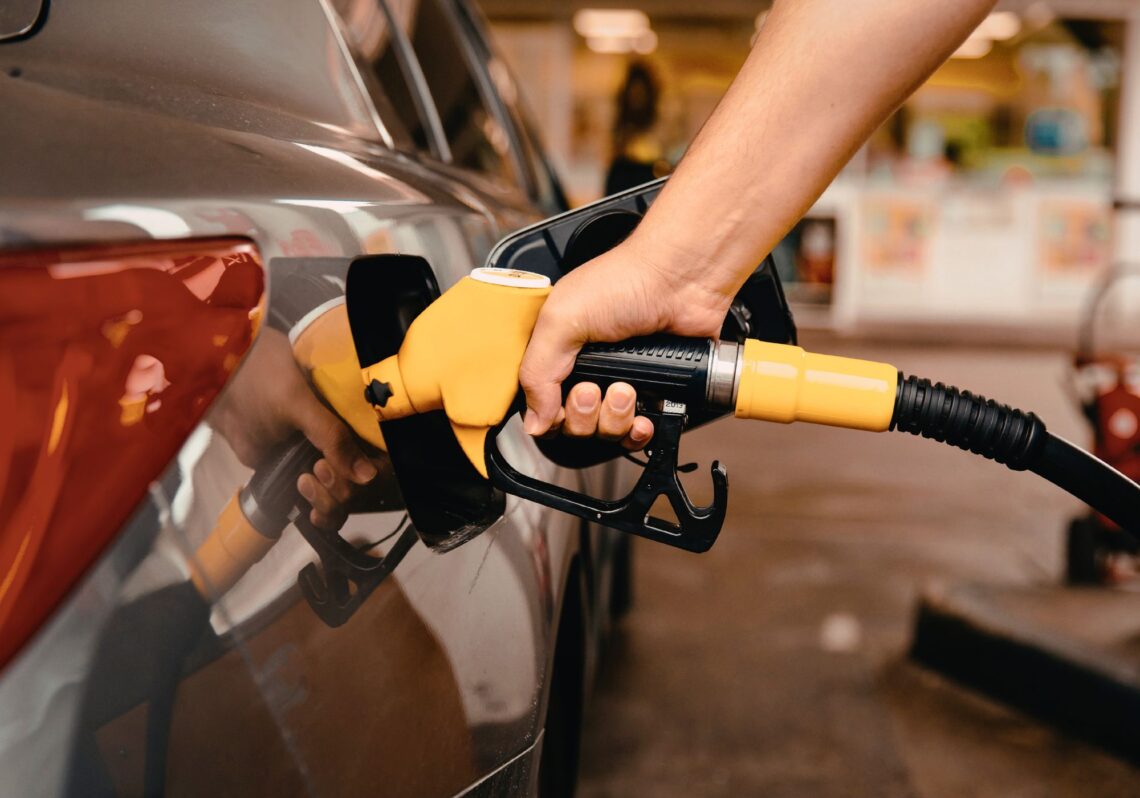
As fuel prices surge across Australia, the impact is being felt beyond the bowser.
More broadly, it is beginning to shape how individuals engage with the legal system.
Recent reports show sharp increases in fuel-related crime, including petrol drive-offs, siphoning, and large-scale diesel fraud.
In South Australia alone, police recorded a significant spike in fuel theft incidents, with authorities noting a rise in first-time offenders.
Across the country, the crisis is not only causing financial pressures, but also beginning to influence behaviour and legal compliance.
When getting to court becomes a barrier
In many law-related matters, attendance is crucial and can influence how a matter progresses through the court.
However, rising fuel costs are beginning to create some real barriers.
For many, attending court is longer a logistical task, but an added financial burden being managed alongside everyday living costs.
“It can end up creating some unnecessary complications within the legal system, particularly if individuals are expected to attend their hearings,” said Peter Caruso, Senior Associate at Pascale Legal.
“It raises broader questions about whether people would have the ability to accommodate their attendance, especially those living in more regional areas, who need to travel greater distances and may not have easy access to public transport”
“As these pressures continue, we may even start to see the Courts adopt a reliance on remote appearances; similar to what we saw during COVID”.
Courts do not operate on a sliding scale of convenience, so missing required appearances can lead to serious, far-reaching consequences.
When it comes down to it, cost-of-living pressures are widely recognised, but do not excuse how a legal matter is handled.
Rising fuel costs linked to increased offending
Another issue emerging from the current crisis is the rise in fuel-related offences.
Police and industry reports indicate:
-
- An increase in petrol drive-offs and ‘fill and flee’ incidents
- Fuel siphoning from trucks and parked vehicles
- A rise in number plate theft
In addition to this, there are also growing concerns around unsafe fuel handling, with reports of individuals using unsuitable containers at service stations.
Beyond safety risks, this conduct may breach local regulations and expose individuals to further liability.
William Cooper, an Associate at Pascale Legal, says fuel crime can have serious legal consequences.
“People often assume they’re only impacting large companies, but the reality is those costs are typically passed back onto consumers”
“Service stations are also often well-equipped to identify those responsible, so in many cases, offenders can be ordered to pay compensation”
“It’s not only unlawful, but just not financially worth it”.
A growing issue in family and care matters
These pressures can also create practical challenges in family and care matters.
Parenting arrangements, for example, often rely on travel, especially for handovers, visits, or court-ordered programs.
As fuel costs rise, maintaining these arrangements can become more difficult.
What may begin as a logistical issue can escalate into a legal one, particularly when parenting orders are not adhered to.
“The practical reality is that time with children often depends on a parent’s ability to travel,” says Angelina Pascale, Firm Principal & Director of Pascale Legal.
“When a parent cannot afford the travel required to comply with parenting orders…[it] can be interpreted as non-compliance, even where the underlying cause is genuine hardship”
“Consistency and predictability are critical for children, but those outcomes rely on arrangements that are realistically sustainable”.
Across the board, there is a noticeable shift in how people are managing their legal obligations, as rising fuel costs are influencing when and how they travel.
While the law itself remains unchanged, the context in which it operates has, and for many Australians, that shift is beginning to have real consequences.